



















































Caladium Angel Wings – Care, Location & Tips for Colorful Leaves
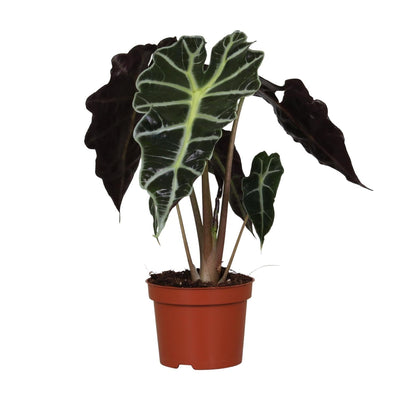
If there is one plant that looks almost painted due to its splendor of colors, it is the Caladium. Known as "Angel Wings," it enchants plant lovers with its paper-thin, heart-shaped leaves. Whether in white, pink, or deep red – it is a true fashion statement for your home. But this beauty from the tropics has very specific requirements for its environment.
Origin & Characteristics
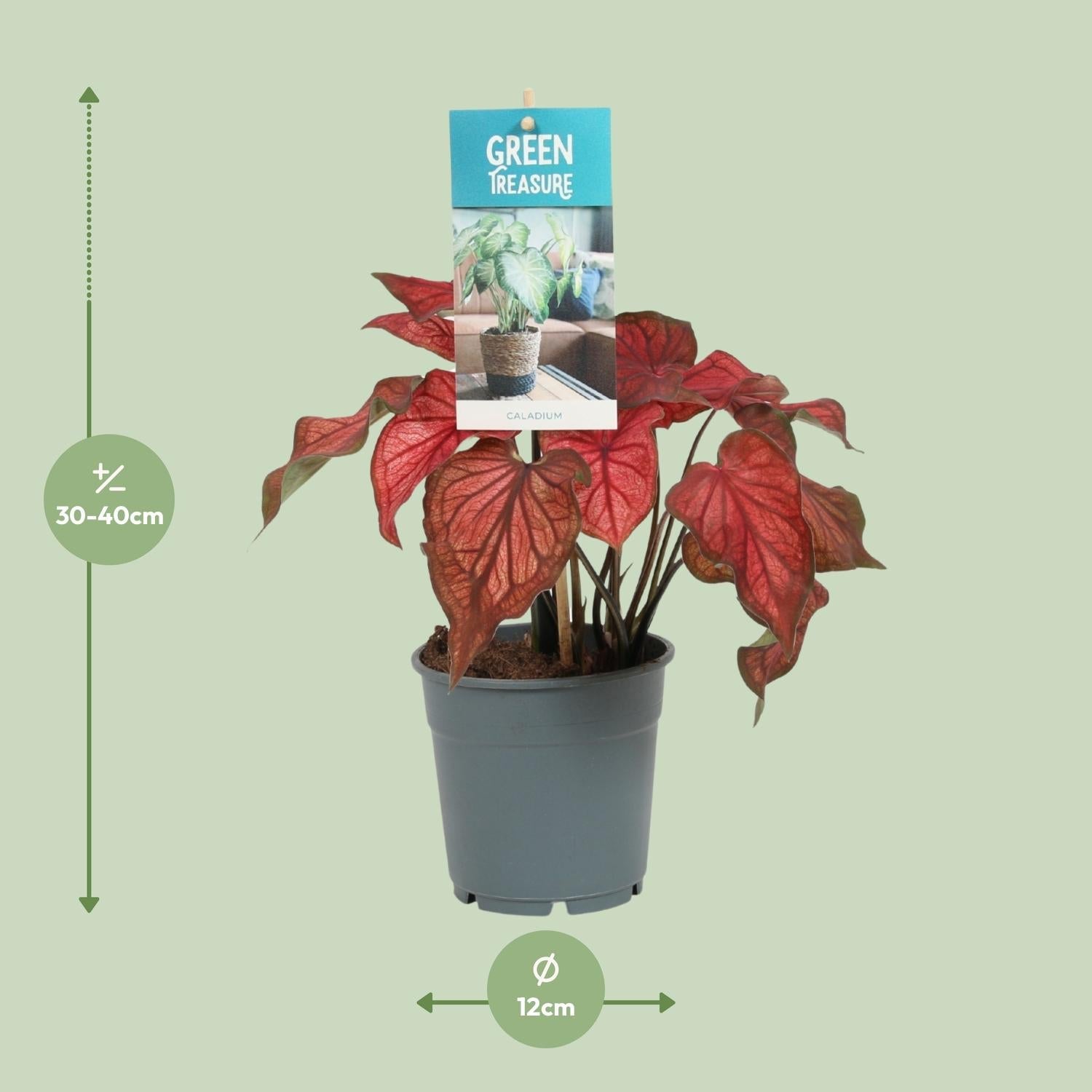
The Caladium originates from the tropical rainforests of South and Central America. There, it grows in the warm, humid shade of the jungle. As a tuberous plant, it has a special life cycle: it retreats completely in winter and sprouts again in spring. Varieties like the Caladium Sweetheart show impressively just how intensely nature can color its leaves.
Appearance & Growth
The leaves of the Angel Wings are often so thin that they appear almost transparent. Depending on the variety, they reach a growth height of 20 to 40 cm. Delivered in a 12cm pot, the Caladium Sweetheart will develop into a dense bush of colorful heart leaves with good care. Since it grows from a tuber, its growth phase is limited to spring and summer.
The Ideal Caladium Location
Where do Angel Wings feel most at home?
The Caladium is a shade-dweller that loves brightness. A location with plenty of indirect light is perfect for maintaining leaf colors.
- Light: Bright to semi-shaded, no direct midday sun (risk of burns!).
- Humidity: Very high! It loves values above 60%. A bathroom with a window is often an ideal spot.
- Temperature: Warm and constant between 20 °C and 25 °C.
Care & Watering: Caring for your Caladium
How much water does this colorful beauty need?
When caring for your Caladium, a delicate touch is required. The soil should be kept constantly moist during the growth phase, but it should never stand in water. Waterlogging causes the sensitive tubers to rot. It is best to use room-temperature, low-calcium water.
Typical Problems & Solutions
Why are my Caladium's leaf edges turning brown?
Usually, the cause is air that is too dry. In heated rooms, the leaves of the Caladium Sweetheart should not be sprayed directly (risk of spots); instead, a humidifier or a tray with moist pebbles helps. If the leaves turn yellow in autumn, there is no need for panic – the plant is simply preparing for its natural winter dormancy.
💤 Important tip for winter dormancy: As soon as the foliage wilts, stop watering. The tuber will spend the winter dry in its pot at approx. 15 °C until it is brought back to life the following spring with a little water and warmth.
Prevention & Long-term Health
To encourage lush foliage, we recommend lightly fertilizing every two weeks during the summer months. Keep an eye out for pests like spider mites by checking the undersides of the leaves early on. Healthy soil and high humidity are the best ways to ensure a vital plant.
Frequently Asked Questions about Caladium
Is the Caladium toxic to pets?
Yes, all parts of the Caladium contain calcium oxalate crystals, which are toxic if ingested by dogs and cats and can cause irritation to the mucous membranes.
Can the Caladium stand in direct sunlight?
No, the thin leaves of the Angel Wings will burn very quickly. Bright but indirect light is the best choice for healthy growth.
When should I repot my Caladium?
The best time is early spring, before the tuber starts to sprout again. Use fresh, loose soil with good drainage.
Take action now:
The Caladium Angel Wings brings an exotic flair to your home that few other houseplants can surpass. With the right balance of moisture and light, it will become the centerpiece of your collection. Be prepared for the fascinating annual cycle of this tuberous plant and let yourself be inspired by varieties like the luminous Sweetheart. Create the perfect conditions for your own tropical paradise now.
Bring color into your life! Discover the fascinating Caladium Sweetheart in our shop and find your personal favorite Angel Wings!