










































Combating booklice: Stop booklice naturally
Booklice are small, agile, and mostly unnoticed: These silent destroyers wreak havoc in living spaces, libraries, or archives. These inconspicuous insects preferentially target paper, wallpaper paste, or book bindings and can cause considerable damage over time, especially to valuable documents or collections. Anyone who discovers them should act quickly. But don't worry: If you want to successfully combat booklice, there are eco-friendly solutions with which you can tackle the little pests completely without chemicals.
An overview of the pest
Booklice (Ctenolepisma longicaudata) belong to the silverfish family and are closely related to the better-known silverfish. Unlike them, they do not need damp rooms and cope well in dry, warm apartments. They are about 11 to 15 mm long, have no wings, move in a jerky manner, and even climb up walls. Booklice can live for several years and spread unnoticed during this time.
They probably originate from warmer regions and have meanwhile established themselves in Central European households as well. They are usually introduced via packages, cardboard boxes, and packaging material. They are crepuscular and nocturnal, which makes early detection difficult for you. Read how to reliably distinguish booklice from silverfish in our pest lexicon.
Life cycle and behavior
The females lay their eggs in cracks and crevices. From these hatch juveniles that already look like small adults and molt multiple times over many months until they reach sexual maturity. A special feature of this species: They continue to molt even after maturity. Added to this is their stamina: Booklice survive long periods without food, so they practically cannot be starved out. This makes combating them a real test of patience.
How to recognize an infestation
An infestation often goes unnoticed for a long time. Therefore, look out for the following signs:
- Feeding damage: Scraped areas or holes in paper, cardboard, labels, or book bindings.
- Molting remains: Transparent skins on shelves and in drawers.
- Droppings: Small dark crumbs in the same places.
- Sightings: Discovery of the animals at night in gaps, cracks, corners, or on the wall.
As soon as you notice one or more of these symptoms, targeted monitoring using attractant traps is recommended.
Natural methods: Combating booklice without chemicals
Effective and at the same time ecological pest control is possible without chemical clubs. It is best to combine several of the following methods:
- Glue traps with attractant: For initial detection and gradual containment of an infestation.
- Plastic pheromone traps: Reusable and durable, ideal for long-term control.
- Diatomaceous earth: A fine, natural powder that attacks the insects' protective layer. You should avoid inhaling the fine dust when applying it.
- Essential oils: Intense scents like lavender oil are said to deter booklice, but they do not eliminate an existing infestation.
- Reduce food sources: Avoid dust and paper accumulations to deprive the animals of their livelihood.
Preventive measures
Once rid of them, you want to keep the little pests away permanently. With these simple measures, you significantly increase your chances:
- Open packages outside if possible and dispose of cardboard boxes promptly
- Store documents in tightly sealed plastic containers
- Regularly check bookshelves, cracks, and drawers
- Carefully seal gaps and cavities in the room
- Renew traps regularly, also for ongoing prevention
- Keep rooms clean and low in dust
Through consistent prevention, you protect your rooms permanently and without much effort. This way you won't have to combat booklice again in the long run.
Products for natural control
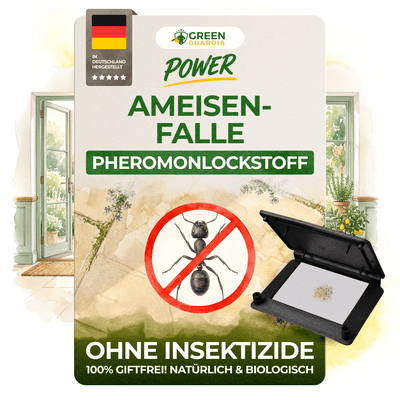
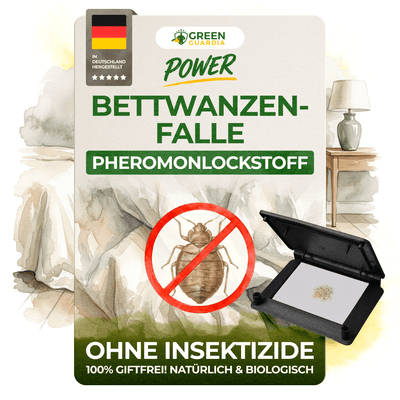
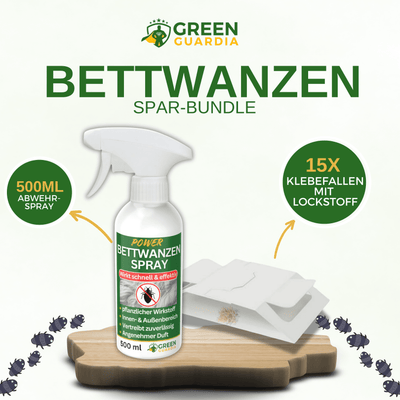
To ensure you are fully equipped, you will find two traps in our shop as a natural remedy against booklice:
- Special glue trap with attractant: For monitoring and containing the infestation.
- Reusable pheromone trap: With replaceable glue base and thus resource-saving.
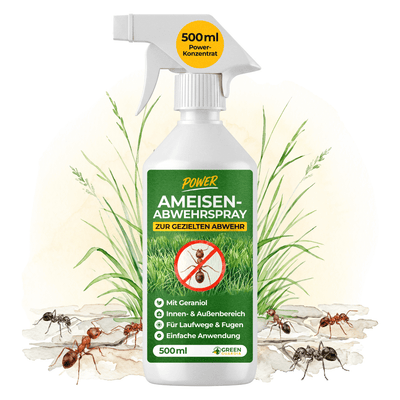
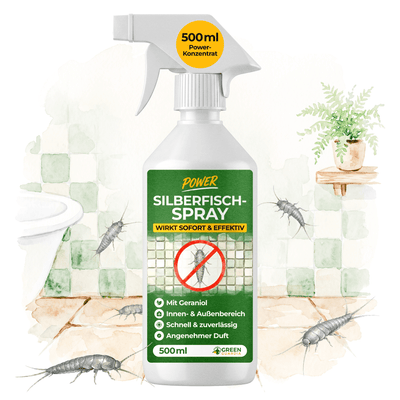
Both variants are free of toxic ingredients and particularly suitable for households with children or pets. One trap covers about 2 to 5 m²; in case of a heavy infestation, use several simultaneously. If you are looking for another natural remedy against booklice, our shop also offers the silverfish and booklouse repellent spray with herbal fragrances. If you are unsure whether they are booklice or silverfish, send us a photo to info@greenguardia.de. Our team will identify the pest for free.
Frequently asked questions (FAQ)
Are booklice dangerous to humans?
No, they are harmless to humans and pets. They do not sting or bite and do not transmit diseases. Their damage is limited to paper, paste, book bindings, and similar materials.
How do booklice differ from silverfish?
Both belong to the silverfish family and look very similar externally. Booklice are usually slightly larger, have longer tail appendages, also occur in dry rooms, and feed more heavily on paper and cellulose, whereas silverfish tend to seek out damp areas like bathrooms or cellars. Read more about this in our guide Combating silverfish.
How long does it take to completely get rid of an infestation?
This depends on the severity of the infestation. With consistent use of glue traps, diatomaceous earth, and targeted prevention, initial success is often seen within a few weeks. However, complete eradication can take several months, especially with an already long-standing infestation.
What helps against booklice the fastest?
What helps against booklice if you want clarity quickly? Glue traps with attractant show you within a short time where the animals are roaming. At the same time, they gradually contain the infestation. Anyone wanting to combat booklice is best advised to combine the traps with the prevention tips from this guide, such as sealed gaps and fewer paper and dust accumulations.
What do booklouse droppings look like?
Booklouse droppings look like tiny dark crumbs. You will find them together with transparent molting remains on shelves, in drawers, and behind books. If you discover such traces, targeted monitoring with attractant traps is worthwhile.
Where is the best place to set up a booklouse trap?
A booklouse trap belongs where the animals roam at night, i.e., along baseboards, behind furniture and shelves, and near books and cardboard boxes. According to the instructions, it should not be placed in damp or dusty areas. Our booklouse trap with special attractant remains effective for up to twelve weeks. Afterwards, you replace it so that ongoing monitoring continues.
Conclusion
The small pests are more than just a minor inconvenience, as they can seriously damage documents, books, and collections. The key lies in the combination of timely detection, natural remedies, and well-thought-out prevention. With our ecological solutions, you have a good tool at hand to keep your environment pest-free in the long term and successfully combat booklice. You can find all traps against booklice in our shop under paper traps.


