






































Red Rose – Care, Location, Growth & Frequently Asked Questions
There is arguably no plant that represents passion and classic beauty quite like the red rose. Whether as a romantic gift or an elegant accent on your balcony or inside your home – the Rosa Rood adds enchantment to any space. In this guide, you will learn how to properly care for your red roses so they can delight you with their fragrant blooms for a long time.
Origin & Characteristics
The rose is one of the oldest cultivated plants in human history, with its roots in the temperate zones of the Northern Hemisphere. The modern red rose has been bred for a compact growth habit and a high propensity to bloom. When you buy a rose in a pot, you are bringing a plant into your home that, with the right attention, will continue to produce new buds for months on end.
Appearance & Growth
How does a potted rose develop?
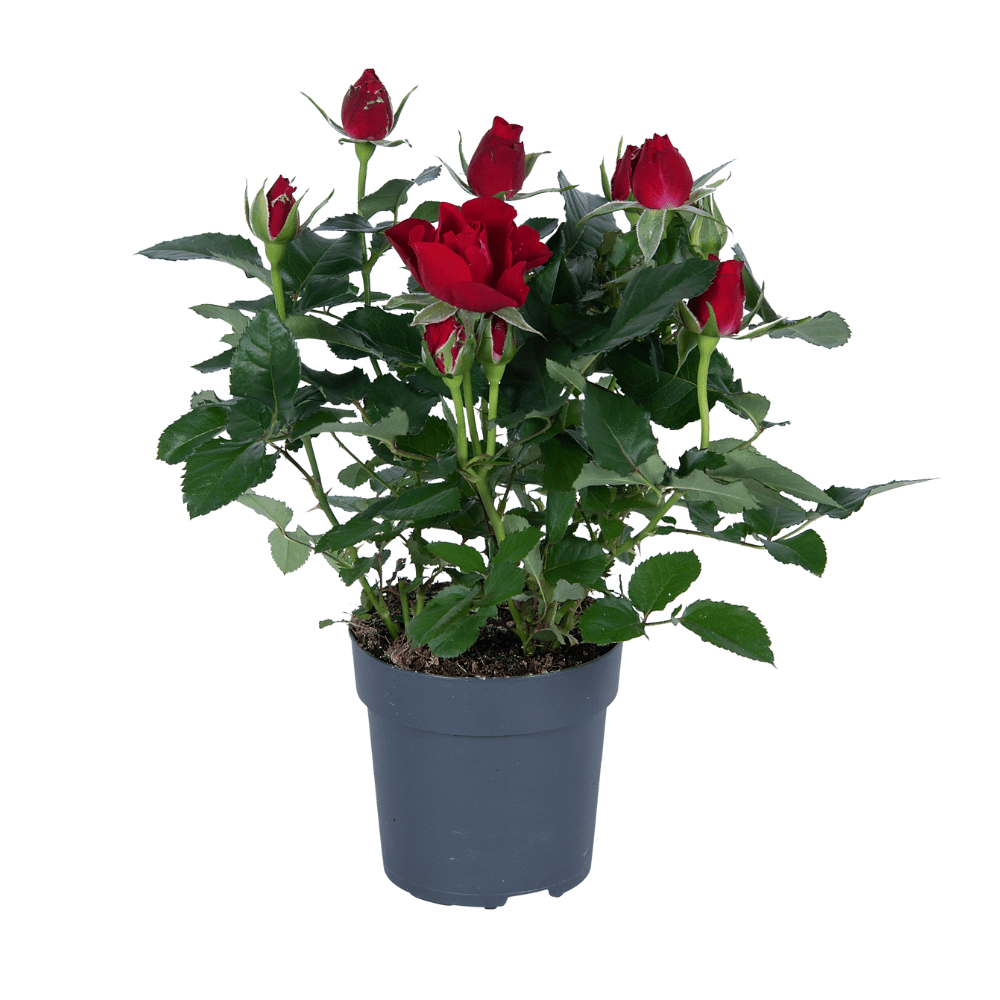
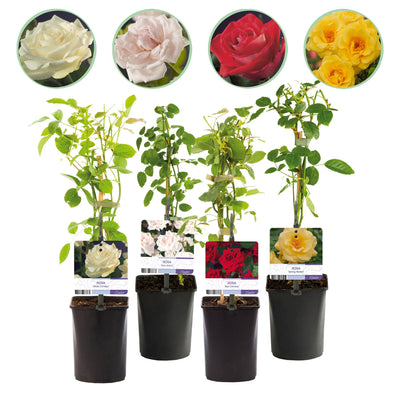
The red rose in a 17 cm pot usually reaches a height of about 45 cm. It grows in a bushy, compact way, which makes it ideal for windowsills or tables. The leaves of the red rose are deep green, creating the perfect contrast to the velvety red flower heads.
The Right Location
Where should you place your rose?
Light is energy – this applies more to caring for red roses than to almost any other plant. Roses are sun-worshippers.
- Light: As bright as possible. A sunny south-facing window or a spot outdoors is ideal.
- Temperature: Roses like it airy. Avoid overly warm heater air in winter.
- Fresh air: Good air circulation is important to prevent fungal diseases.
Care & Watering: Caring for Red Roses
How much water does the Rosa Rood need?
Potted roses have a high water requirement but are sensitive to "wet feet." The substrate of your red rose should be kept consistently moist. Always water directly at the base and avoid wetting the leaves to prevent powdery mildew. During the main flowering period, daily watering may be necessary.
Typical Problems & Solutions
Why is the rose wilting?
Drooping flower heads are usually a sign of lack of water. A quick soak can work wonders here. Yellow leaves often point to waterlogging or lack of light. If white spots (powdery mildew) appear, the plant is usually crowded or too damp. A decisive prune of the affected areas helps the red rose to grow back healthy.
🌹 Care tip: Regularly remove dead flowers (deadheading). Cut the faded stem above the next healthy pair of leaves to stimulate the development of new buds.
Prevention & Long-Term Care
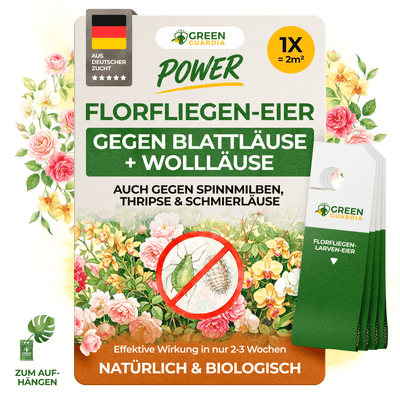
Roses are hungry plants. Fertilize your rose every two weeks during the growing season with a special rose fertilizer. To promote long-term plant health and strengthen its resistance against pests like aphids, you can revitalize the rose with natural care supplements.
Frequently Asked Questions About the Red Rose
How do I recognize a healthy rose?
A healthy red rose has firm, shiny foliage without spots and strong buds that are just about to open. The stems should be sturdy and show no soft spots.
Can the potted rose also be planted outside?
Yes! After the flowering period indoors, the rose can be planted in the garden or a larger balcony box in spring or autumn. It is usually winter-hardy there and will grow again the next year.
Is the rose toxic to pets?
True roses of the genus Rosa are non-toxic. Nevertheless, the thorns can cause injury, so you should not necessarily let animals play with the plant.
Take Action Now:
The red rose is the crown jewel of any plant collection and brings color and fragrance into your life. With a little attention to light and water, it will reward you with an incredible abundance of flowers. Give the rose project a try and enjoy the timeless beauty of this extraordinary flower. Start now and bring romance into your home.
Bring elegance into your living space! Order your magnificent Red Rose (Rosa Rood) from us now and enjoy floral magic!