














































Effective protection against thrips: Natural control methods for your plants
Are you discovering silvery shimmering spots on leaves, small black dots, or stunted new growth? Then thrips (also known as "fringe-winged insects") might be the culprit. These tiny pests often sit hidden in leaf axils, buds, or on the undersides of leaves and can noticeably weaken your plants. The sooner you recognize the typical signs, the faster you can get the infestation under control – ideally with a combination of natural measures and targeted support.
Causes: Where do thrips come from?
Thrips are often introduced through new plants or appear more frequently when the plant environment is stressful. They like it warm and somewhat dry – which is why houseplants, greenhouse cultures, and windowsill locations are particularly susceptible.
- Introduction via new plants, cuttings, or cut flowers
- Warm temperatures (windowsills, winter gardens, greenhouses)
- Dry air (heating season) and poor air circulation
- Plant stress due to irregular watering or nutrient deficiencies
- Crowded plants – ideal hiding spots for thrips
Detection: Typical signs of a thrips infestation
Thrips are small and agile – usually, you will see the damage first. Pay special attention to the following symptoms:
- Silvery, shiny feeding trails on the leaves
- Black dots (excrement) along the feeding spots
- Stunted new growth or deformed leaves
- Buds that fail to open or appear damaged
- In case of severe infestation: general weak growth and leaf drop
Control: How to get rid of thrips naturally – what actually works?
If you want to combat thrips, a clear plan is essential: first reduce the infestation pressure, then specifically slow down their reproduction, and finally adjust the conditions so that thrips have a harder time permanently.
1) Immediate measures: Contain the infestation & relieve your plants
- Isolate infested plants (quarantine) so the thrips don't spread.
- Carefully shower the plant (including the undersides of leaves) to mechanically reduce the pests.
- Remove heavily damaged leaves and dispose of them in the household waste.
- Ensure better air circulation and avoid very dry air.
2) Sustainable and targeted: Using beneficial organisms (predatory mites)
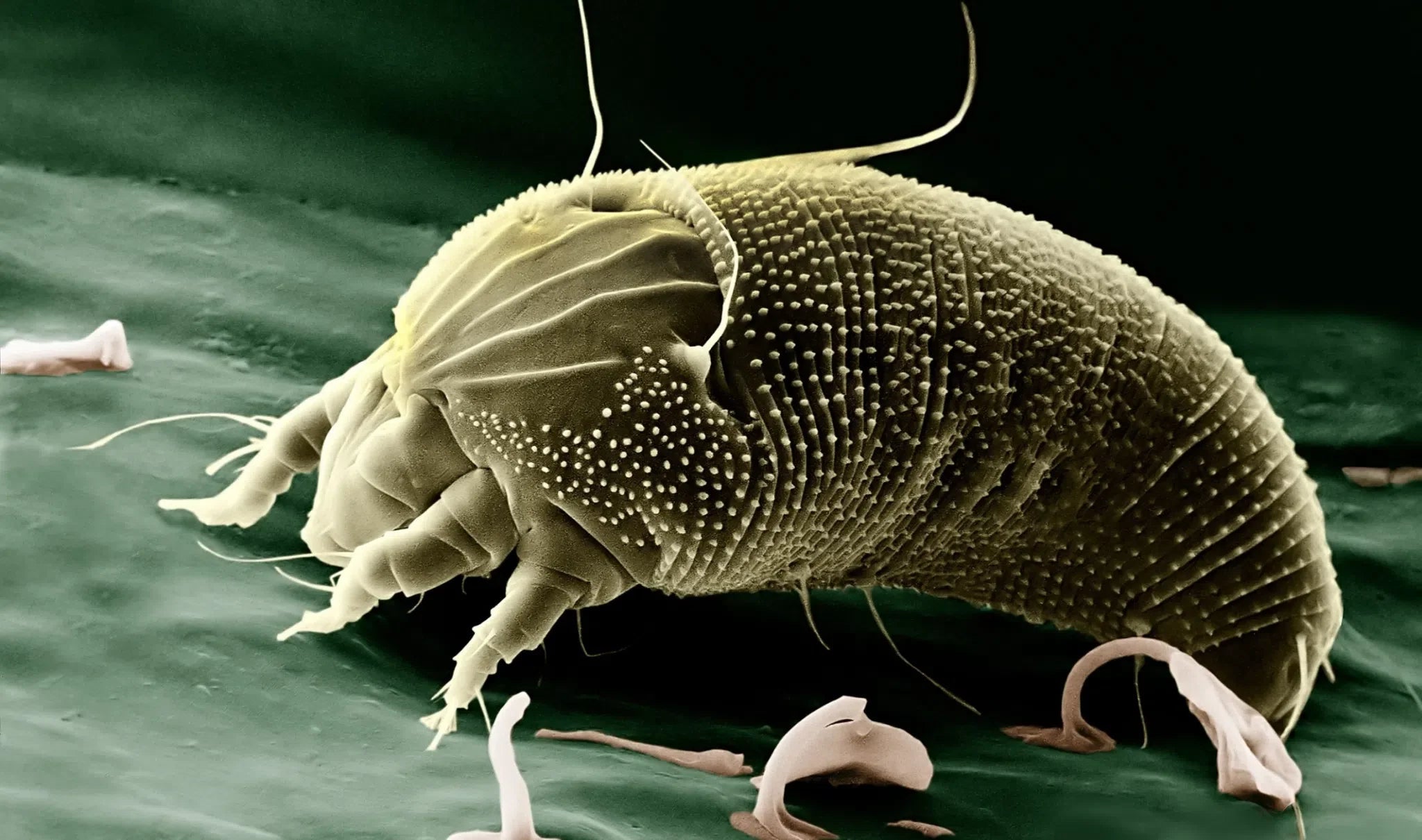
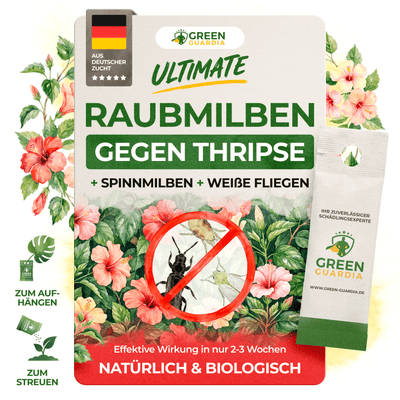
A particularly effective, natural method is the use of natural enemies. For targeted support, predatory mites against thrips are well-suited. They help regulate thrips populations in plant environments – ideal if you are looking for a sustainable solution without unnecessary stress for your plants. Especially with recurring infestations, using predatory mites against thrips can be a sensible measure because they act directly at the source of the infestation.
3) Supplementing plant care: Categorizing neem oil correctly
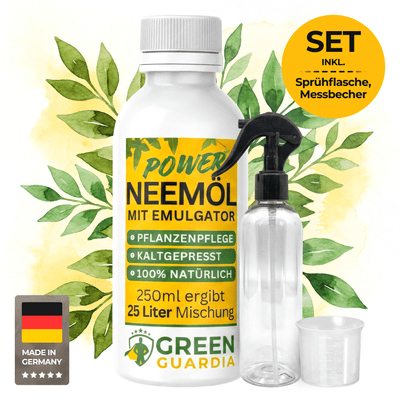
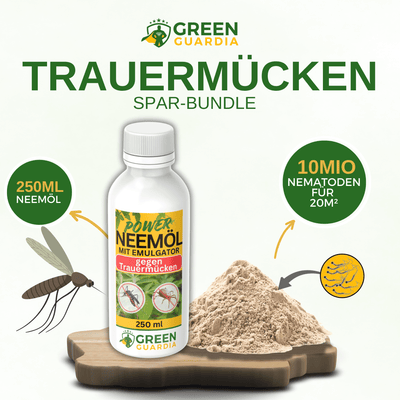
If you would like to care for your plants with additional plant-based support, neem oil can be a suitable addition to your plant care routine. Neem oil is often used to support leaves as part of plant-strengthening plant protection and to maintain the plant surface. Proper application and a tolerance test on sensitive plants are important.
- Apply evenly, paying special attention to leaf undersides
- Do not apply in direct sunlight – ideal in the morning or evening
- Test sensitive plants on a small area first
Tip: The best strategy against thrips is a combination of quarantine, an optimized plant climate, and the targeted use of beneficial organisms. For sustainable regulation, predatory mites against thrips are suitable – and neem oil can be a fitting plant-based supplement for your care routine.
Prevention: How to stop thrips from coming back
Prevention is key to ensuring thrips do not return. The goal is a stable plant environment where pests have fewer chances and you can react early.
- New plants should be kept separate for 7–14 days (quarantine)
- Regularly check leaf undersides and young shoots
- Ensure balanced care: not too dry, not too wet
- Keep humidity stable during the heating season
- In case of recurring risk, use natural support early, e.g., predatory mites against thrips
Frequently Asked Questions about Thrips
How fast do thrips reproduce?
Thrips can reproduce very quickly in warm temperatures. That's why it's important to react early, isolate the infested plant, and specifically reduce the infestation pressure.
What is the most effective natural method against thrips?
The targeted use of beneficial organisms is particularly sustainable. Predatory mites against thrips have proven effective because they work directly in the plant environment and help to regulate thrips populations.
Can neem oil be part of my plant care?
Yes – neem oil is frequently used in plant care to support leaves as part of plant-strengthening plant protection. Proper application and a tolerance test are important, especially for sensitive plants. Neem oil is suitable for this.
How do I prevent thrips from returning?
Check new shoots regularly, keep the plant environment stable, and keep new plants in quarantine initially. If there is a recurring risk, an early application of predatory mites against thrips can help stabilize the balance.
Take action now:
If you want to get rid of thrips, start with quarantine and reduce the infestation by rinsing the plants and improving air circulation. For targeted, natural regulation, predatory mites against thrips are well-suited. As a plant-based addition to your care routine, neem oil can be useful as part of a plant-strengthening plant protection regimen – especially if you want to stabilize your routine in the long term.