

































The Scindapsus pictus ‘Argyraeus’, often referred to as the satin pothos or silver vine, is one of the most aesthetic trailing plants for your home. With its velvety, heart-shaped leaves and characteristic silvery spotting, it adds a touch of elegance to any room. It is considered extremely adaptable, making it a wonderful choice for both plant beginners and pros alike.
Origin & Characteristics
Originally native to the tropical rainforests of Southeast Asia, the Scindapsus pictus argyraeus grows there as a climbing plant up tree trunks. Botanically, it belongs to the Araceae family. One of its outstanding properties is its ability to filter pollutants from the air, making it a functional partner for a healthy indoor climate.
Appearance & Growth
The ‘Argyraeus’ variety is characterized by a compact growth habit and somewhat smaller leaves than the original species. The silvery spots on the dark green base shimmer almost metallically depending on how the light hits them. In indoor settings, it usually reaches a length of 15 to 25 cm in a pot, but as a climbing plant, it can develop vines several meters long.
The Ideal Location for the Satin Pothos
Where should the Scindapsus pictus Argyraeus be placed?
A bright to semi-shaded spot without direct midday sun is optimal. With too little light, the plant loses its characteristic silvery pattern and the distances between the leaves become longer (etiolation). A bright spot in the bathroom is also very popular for the Scindapsus pictus Argyraeus location due to the higher humidity.
Caring for & Watering the Scindapsus pictus Argyraeus
When caring for your satin pothos, less is often more. The plant stores some water in its slightly succulent leaves. Only water when the top layer of soil has noticeably dried out. A helpful sign from the plant: when it is thirsty, the leaves will begin to curl slightly inwards. As soon as you water, they will unfurl again, becoming plump and firm.
Typical Problems & Solutions
Yellow leaves and waterlogging
If your satin pothos has yellow leaves, this is often a sign of too much water. Make sure that excess water can always drain away to prevent root rot. A well-draining substrate significantly supports plant health.
Natural plant protection
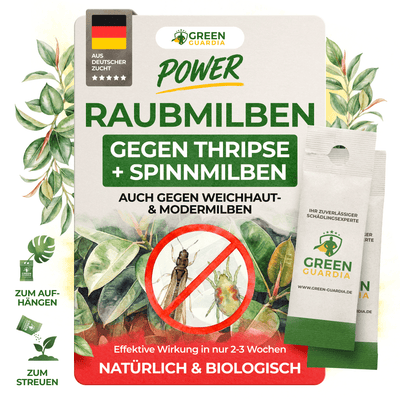
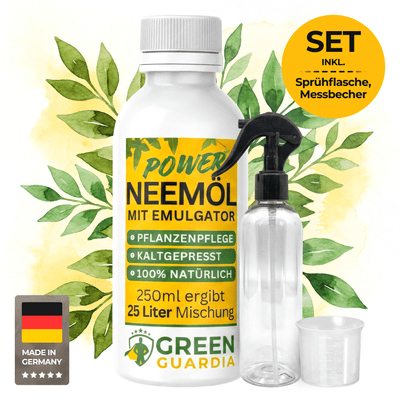
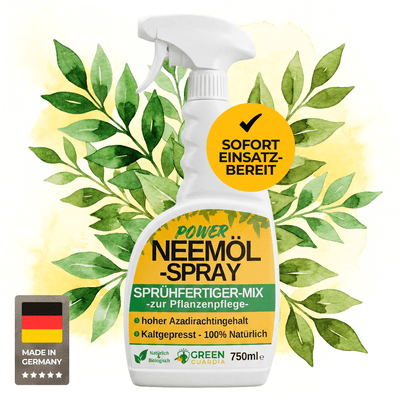
Although the Scindapsus is robust, pests like spider mites can appear in very dry heating air. For general care support and strengthening the leaves, using neem oil has proven effective. It serves as natural plant protection and ensures that the velvety surface of the leaves remains vital and resilient.
Propagation
You can easily propagate your Scindapsus pictus argyraeus using cuttings. Cut a shoot just below a leaf node and place it in a glass of water. As soon as roots have formed, the little pothos can be potted into soil.
Common Questions About the Satin Pothos
Is the Scindapsus pictus Argyraeus toxic?
Yes, like most Araceae, the satin pothos contains calcium oxalate crystals, which are mildly toxic to pets and humans if ingested. Therefore, it is best to place it out of the reach of cats or dogs – ideally in a hanging basket.
Why is my satin pothos growing so slowly?
Compared to the classic green pothos, the ‘Argyraeus’ grows a bit more leisurely. If growth has completely stagnated, a location that is too dark or a lack of nutrients in the spring could be the cause.
How often do I need to fertilize the satin pothos?
During the main growing season from March to October, fertilizing every two to four weeks at half concentration is sufficient. Fertilizing should be stopped in winter.
Take Action Now: Beautify Your Home
The silvery splendor of the satin pothos is an asset to any interior. With minimal effort, you get a long-lasting, air-purifying plant that looks great whether trailing or climbing. Would you like to start your Urban Jungle project? Then take a look at our robust Scindapsus pictus argyraeus directly in the shop and bring this silver wonder home!
🍃 Tip: Regularly clean the leaves of dust with a soft, damp cloth. This preserves the silvery shine and allows the plant to carry out photosynthesis optimally.


